Tisochrysis Lutea: Impact in Aquaculture
Discover how the microalgae Tisochrysis lutea influences bivalve growth and health in aquaculture. Learn about its benefits and applications for sustainable marine farming.
ALGAE
4/2/20261 min read
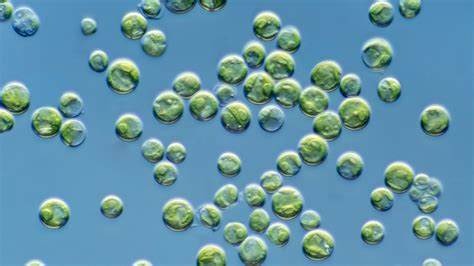
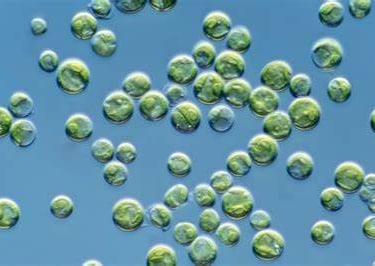
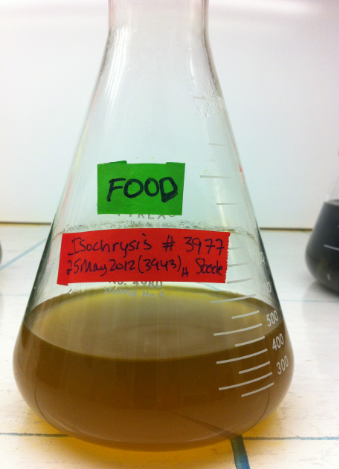
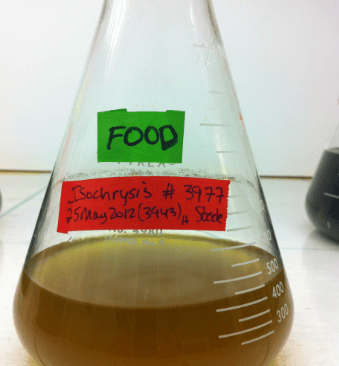
Tisochrysis lutea, previously known as Isochrysis Aff. Galbana is a small haptophyte (biflagellate) marine microalga renowned for it's high DHA (Docosahexaenoic Acid) and digestibility. DHA is a necessity for filter feeders, without it, neurons have limited communication with each other, causing nervous system underdevelopment.
Great food for rotifers, filter feeders, copepods, corals, etc.
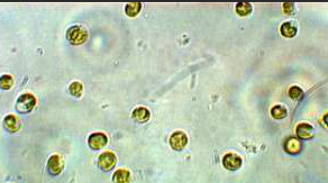
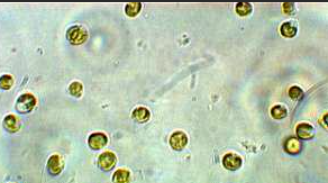
Morphologically, Tisochrysis is 3-6 microns, making it is easy for the Nauplii stage of copepods to ingest, while having a thin cell wall composed of simple sugars. This means Tisochrysis is a sort of "lipid balloon" that is readily digestible and nutritious. Fucoxanthin, a strong antioxidant is also present in Tisochrysis, causing a golden brown hue.
Being high in PUFAs (polyunsaturated fats) T-Iso dominates the aquaculture industry with a massive 10-15% dry weight being straight DHA. Ever wonder how T-Iso got it's name? Tisochrysis literally translates to "The Golden Tahiti-Isochrysis", because Tiso was first isolated from the polynesian islands.
Admin. “Tisochrysis Lutea, a Golden Tahitian Microalgae with Beneficial Properties.” Microphyt, 9 Mar. 2023, microphyt.eu/tisochrysis-lutea-a-golden-tahitian-microalgae-with-beneficial-properties/. Accessed 02 Apr. 2026.Hu,
Hao, et al. “Effect of Cultivation Mode on the Production of Docosahexaenoic Acid by Tisochrysis Lutea.” AMB Express, U.S. National Library of Medicine, 30 Mar. 2018, pmc.ncbi.nlm.nih.gov/articles/PMC5878155/. Accessed 02 Apr. 2026.